
6 Signs You’re Ready to Buy a Second Home on the Emerald Coast
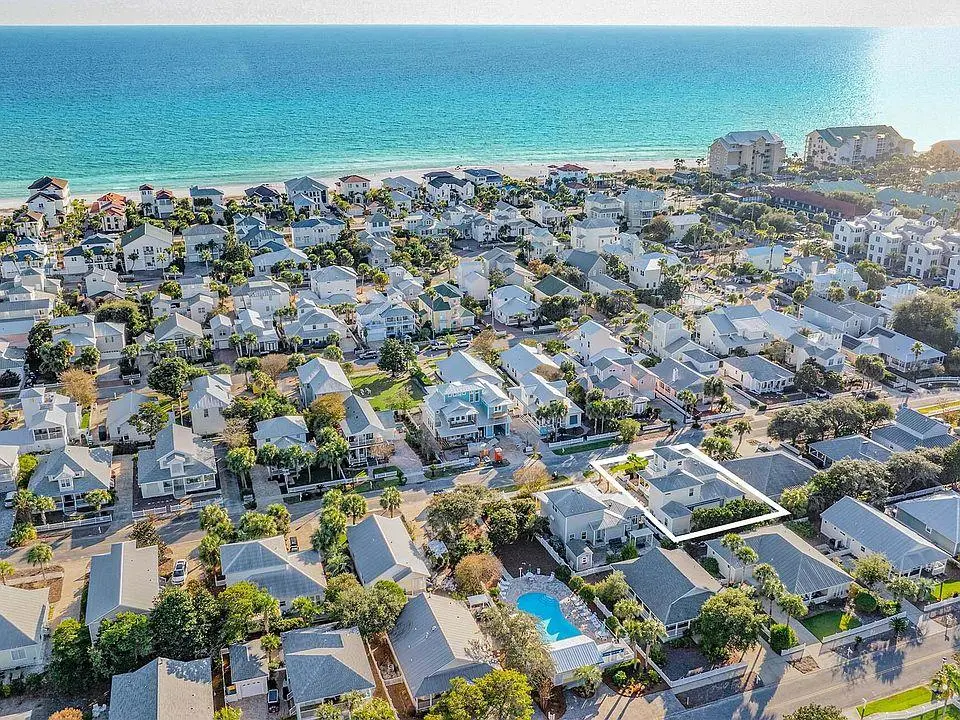
6 Signs You’re Ready to Buy a Second Home on the Emerald Coast
Buying a second home on Florida’s Emerald Coast can give you a personal beach retreat, a future retirement option, or a place where family and friends can gather.
It also creates a second set of expenses, maintenance responsibilities, insurance decisions, and travel logistics.
Being able to make the down payment does not automatically mean you are ready. The better question is whether you can comfortably own the property without depending on perfect rental income, perfect weather, or zero surprise repairs.
Here are six signs you may be ready to buy a second home on the Emerald Coast.
Quick Readiness Check
| You May Be Ready When | You May Need More Time When |
|---|---|
| Your primary-home finances are stable | The purchase would strain your current household budget |
| You have cash reserves after closing | You need nearly every available dollar for the down payment |
| You understand the complete ownership cost | You are comparing homes only by mortgage payment |
| Your use plan is clear | You are unsure whether the property is for personal use or investment |
| You have researched the location carefully | You are buying based only on a great vacation |
| You have a maintenance and exit plan | You have not considered storms, repairs, management, or resale |
1. Your Primary Finances Are Stable
A second home should not make your first home financially uncomfortable.
Before purchasing, review your current obligations, including:
-
Primary mortgage or rent
-
Car payments and consumer debt
-
Retirement contributions
-
Emergency savings
-
College or family expenses
-
Employment stability
-
Other investment goals
-
Cash needed after closing
A lender will review your income, debts, credit, available assets, and existing properties. The lender will also need to understand whether the home will be used as a second residence or an investment property.
Those are not always treated the same way for financing.
A strong sign of readiness is being able to afford the property without saying, “The rental income should probably cover everything.”
Rental income may help support the property. It should not be the only thing preventing the plan from falling apart.
You should still be able to make the payment during slower rental periods, unexpected repairs, personal-use weeks, or changes in the local travel market.
2. You Will Still Have Cash Reserves After Closing
Buying the property is only the beginning.
Coastal homes have the same repair needs as other properties, plus possible exposure to salt, wind, humidity, storms, water intrusion, and heavy seasonal use.
Your reserve fund may need to cover:
-
Homeowners insurance deductibles
-
Hurricane deductibles
-
Flood insurance deductibles
-
HVAC repair or replacement
-
Roof repairs
-
Water intrusion
-
Appliance replacement
-
Exterior cleaning and painting
-
Condo or HOA assessments
-
Pool maintenance
-
Landscaping
-
Furnishing replacement
-
Travel for unexpected property issues
-
Periods without rental income
The right reserve amount depends on the property.
A newer condo where the association handles many exterior responsibilities may require a different reserve strategy than a detached beach house with a pool, multiple HVAC systems, a large yard, and full exterior maintenance.
Review the age of the roof, HVAC equipment, water heater, appliances, windows, exterior materials, and other major systems before deciding how much cash you should keep available.
You may be financially ready when closing does not leave your savings account empty.
3. You Understand the Complete Cost of Ownership
The mortgage payment is only one part of owning a second home.
A realistic annual budget may include:
| Expense | What to Confirm |
|---|---|
| Mortgage | Monthly payment, loan terms, interest rate, and occupancy classification |
| Property taxes | Estimated taxes after the property changes ownership |
| Homeowners insurance | Annual premium, deductibles, exclusions, and roof requirements |
| Flood insurance | Flood zone, elevation, lender requirements, and available coverage |
| HOA or condo fees | Amount, payment schedule, included services, and recent increases |
| Utilities | Electricity, water, sewer, internet, trash, and pool equipment |
| Maintenance | Roof, HVAC, landscaping, exterior cleaning, and furnishings |
| Rental expenses | Management, cleaning, booking fees, repairs, and supplies |
| Travel | The time and cost required to visit or manage the property |
| Assessments | Current, approved, proposed, or recently discussed assessments |
Second homes are also generally treated differently from primary residences for property-tax and homestead purposes.
Do not build your budget under the assumption that the property will receive the same exemptions or protections as your primary Florida residence.
Tax treatment can also change when a second home is rented. Personal-use days, rental days, operating expenses, mortgage interest, and other factors may affect how the property is treated.
Talk with a qualified lender, insurance professional, and tax advisor before making the final decision.
4. You Know How You Plan to Use the Property
Before starting the home search, decide whether the property will primarily be:
-
A personal vacation home
-
A seasonal residence
-
A future retirement home
-
A family gathering place
-
A part-time vacation rental
-
A full investment property
Your answer affects:
-
Financing
-
Down-payment requirements
-
Insurance
-
Taxes
-
Property selection
-
Rental rules
-
Furnishings
-
Management
-
Maintenance
-
Future resale
A personal second home and a property operated mainly as a short-term rental may need different financing and insurance.
Be honest with your lender about how you plan to use the home.
You should also decide how much personal use matters.
For example:
-
Do you want to reserve major holidays for your family?
-
Will you use the home during peak rental season?
-
Are you comfortable allowing guests to use your furnishings?
-
Do you want to manage bookings yourself?
-
Will you hire a professional property manager?
-
Are short-term rentals allowed by the HOA, condo association, and local rules?
A property can be an excellent personal second home and a weak investment.
It can also be a productive rental property but a frustrating place for private family vacations.
Know which goal matters most before you buy.
A Note for VA Buyers
VA financing is generally intended for a home the eligible borrower will occupy as a primary residence.
A true vacation home that will remain a second residence may not meet VA occupancy requirements.
Military buyers should discuss their plans with a VA-experienced lender before assuming that a VA loan can be used for the purchase.
5. You Have Selected the Location Based on Real Use
The Emerald Coast includes several different markets and ownership experiences.
A second home in Destin may provide access to boating, restaurants, shopping, and resort activity.
A home along 30A may offer village-style communities, distinctive architecture, bicycle access, and proximity to the beach.
Panama City Beach, Pensacola Beach, Navarre, Fort Walton Beach, Santa Rosa Beach, and inland communities near the coast each offer different tradeoffs.
Compare:
-
Drive or flight time
-
Beach access
-
Seasonal traffic
-
Parking
-
Restaurants and everyday services
-
Medical access
-
Community atmosphere
-
Property-management options
-
HOA or condo rules
-
Short-term rental restrictions
-
Owner storage
-
Insurance considerations
-
Future retirement suitability
Visit during a busy season when possible.
A quiet weekday trip in February may not show you what the area feels like during spring break, Memorial Day weekend, or the middle of July.
Pay attention to:
-
Traffic
-
Noise
-
Beach crowds
-
Parking
-
Restaurant waits
-
Elevators
-
Pool activity
-
Guest turnover
-
Neighborhood privacy
You may be ready when you have selected the area because it fits your real ownership plan, not simply because you had one great vacation there.
6. You Have a Plan for Insurance, Maintenance, and Resale
Insurance is one of the most important parts of buying a coastal second home.
Begin requesting property-specific insurance estimates early.
An insurance professional may need information about:
-
Roof age
-
Wind mitigation features
-
Construction type
-
Building elevation
-
Flood zone
-
Prior water intrusion
-
Storm shutters
-
Impact-rated openings
-
Intended personal or rental use
-
Condo master-policy coverage
-
Pools, docks, lifts, or detached structures
The cost and availability of insurance can vary significantly between two properties that appear similar online.
A newer inland home may have a very different insurance profile from an older Gulf-front condo, bayfront home, or low-elevation property.
Also understand the hurricane deductible.
A percentage-based deductible may be calculated using the insured value of the home, not the amount of the individual repair. Ask the insurance professional to explain the potential deductible in actual dollars.
Create a Maintenance Plan
Decide who will handle the property when you are not there.
That may include:
-
Routine inspections
-
HVAC service
-
Pest control
-
Landscaping
-
Pool care
-
Storm preparation
-
Post-storm inspections
-
Cleaning
-
Minor repairs
-
Mail and package management
-
Emergency access
A condo association may handle certain exterior responsibilities, but the owner is still responsible for the interior and other expenses defined in the association documents.
A detached home may give you greater control, but it usually gives you more direct maintenance responsibility.
Create an Exit Plan
Before buying, consider what happens if your plans change.
Ask:
-
How long do I expect to own the property?
-
Could this become my primary home later?
-
Would the layout appeal to future buyers?
-
Can I afford it during a slower rental year?
-
What happens if insurance increases?
-
What happens if HOA or condo fees rise?
-
Who will manage the property if I move farther away?
-
What if my family stops using it as often?
A second home should support your current lifestyle without trapping your future finances.
Which Type of Emerald Coast Second Home Fits You?
Condo
A condo may fit buyers who want:
-
Lower personal exterior maintenance
-
Community amenities
-
Lock-and-leave convenience
-
On-site or nearby management
-
Beach access without maintaining a detached home
Review:
-
Association fees
-
Financial reserves
-
Master insurance policy
-
Special assessments
-
Rental rules
-
Parking
-
Owner storage
-
Pet restrictions
-
Building maintenance
-
Owner responsibilities
Single-Family Home
A single-family home may fit buyers who want:
-
More privacy
-
More control
-
A yard
-
A private pool
-
A garage
-
Additional storage
-
Fewer shared building decisions
Budget for:
-
Roof
-
Exterior maintenance
-
Landscaping
-
Pool care
-
Storm preparation
-
Pest control
-
HVAC systems
-
Plumbing
-
Electrical systems
-
Property management
Waterfront Property
A waterfront property may fit buyers who will actively use:
-
A dock
-
Boat access
-
Fishing
-
Kayaking
-
Paddleboarding
-
Water views
Investigate:
-
Flood exposure
-
Elevation
-
Insurance
-
Seawall condition
-
Dock condition
-
Boat-lift condition
-
Water depth
-
Navigation routes
-
Permits
-
Marine maintenance
Inland Property Near the Coast
An inland property may fit buyers who prioritize:
-
More space for the budget
-
A larger yard
-
Newer construction
-
Easier access to daily services
-
Less specialized maintenance
-
Proximity to the coast without direct waterfront exposure
Remember that inland does not automatically mean flood-free or inexpensive to insure.
Check the exact property.
Questions to Ask Before Buying
Before making an offer on an Emerald Coast second home, ask:
-
How will I actually use this property?
-
Will the lender classify it as a second home or investment property?
-
How much cash will I have left after closing?
-
What is the estimated annual ownership cost?
-
What are the current HOA or condo fees?
-
Are any assessments approved or being discussed?
-
Are short-term rentals allowed?
-
What insurance quotes are available?
-
What are the deductibles?
-
What flood information is available?
-
Who will manage and maintain the property?
-
How will the home appeal to a future buyer?
FAQs About Buying an Emerald Coast Second Home
How much money should I keep after closing?
There is no universal number.
Consider lender reserve requirements, insurance deductibles, property condition, major-system ages, furnishing needs, association responsibilities, and several months of carrying costs.
A lender and financial advisor can help you create a property-specific reserve target.
Can I rely on rental income to afford the home?
Rental income may support the ownership plan, but projections are not guarantees.
Account for:
-
Management fees
-
Cleaning
-
Utilities
-
Insurance
-
Property taxes
-
HOA or condo fees
-
Maintenance
-
Repairs
-
Furnishings
-
Vacancies
-
Personal-use periods
Build the plan around realistic net income, not the largest gross-rental projection.
Can I use a VA loan for a vacation home?
VA-backed purchase loans generally require the buyer to occupy the purchased property as a primary residence.
A true vacation or second home may not qualify. Confirm your intended use with a VA-experienced lender.
Will a second home qualify for Florida’s homestead exemption?
A second home generally should not be assumed to qualify for Florida homestead benefits because those benefits are tied to a permanent residence.
The county property appraiser determines eligibility.
Do I need flood insurance?
It depends on the property, flood zone, lender, elevation, and mortgage type.
Even when flood insurance is not required by the lender, buyers may decide that purchasing coverage is appropriate based on the property’s exposure.
Should I buy before retirement or wait?
Buying earlier may allow you to use the property, learn the area, and prepare for a future move.
It also creates additional years of payments, maintenance, insurance, and management.
Compare your current cash flow, planned use, retirement timeline, and ability to carry the property comfortably.
Final Thoughts
You may be ready to buy a second home on the Emerald Coast when:
-
Your primary finances are stable.
-
You will have meaningful cash reserves after closing.
-
You understand the complete ownership cost.
-
Your personal-use and rental plan is clear.
-
You selected the location based on real use.
-
You are prepared for insurance, maintenance, and resale.
Emerald Group, Brokered by LPT Realty helps second-home buyers compare Emerald Coast communities, property types, beach access, ownership costs, insurance questions, rental considerations, and long-term fit.
Learn more about Emerald Group:
https://www.emeraldgrouphomes.com/about
Browse current homes for sale:
https://www.emeraldgrouphomes.com/listing
Contact Emerald Group for local buyer guidance:
Categories
- All Blogs (192)
- 30A Communities & Condos (12)
- Communities and Condos on the Emerald Coast (33)
- Destin Communities & Condos (8)
- Fort Walton Beach Communities & Condos (11)
- Home Buying Tips (19)
- Home Selling TIps (11)
- Investment & Rental Strategy (11)
- Local Real Estate Answers (64)
- Military Relocation & VA Buyers (18)
- Navarre Communities & Condos (10)
- Niceville Communities & Condos (4)
- Panama City Beach Communities & Condos (1)
- Pensacola Communities & Condos (1)
- Waterfront & Coastal Homes (7)
Recent Posts






"My job is to find and attract mastery-based agents to the office, protect the culture, and make sure everyone is happy! "