
Day-to-Day Life in Destin (and What It’s Like Living Nearby)
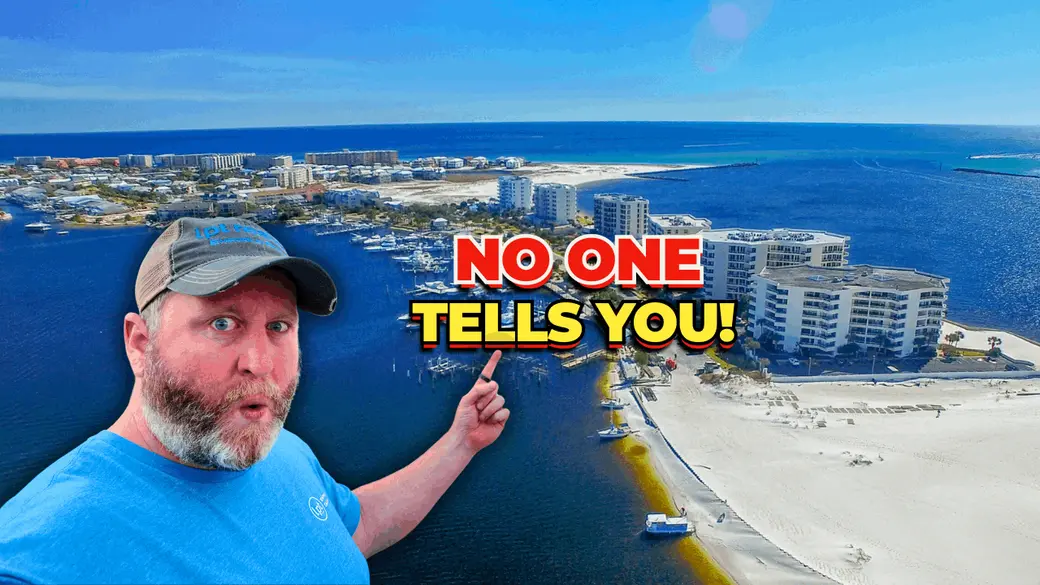
Most people moving to the Emerald Coast ask the same question:
“Is it expensive to live there?”
The honest answer?
It depends entirely on where and how you choose to live.
Because living in Destin on the Gulf isn’t the same as living in Crestview.
Owning a beachfront condo isn’t the same as buying inland new construction.
And commuting 10 minutes to base isn’t the same as driving 40.
Housing Costs in 2026
Housing will always be the biggest variable in your cost of living.
Coastal Towns (Destin, Miramar Beach, Navarre Beach)
You’re paying for:
-
Water proximity
-
Lifestyle access
-
Higher insurance exposure
-
Smaller lot sizes
Beach-adjacent living carries a premium — not just in purchase price, but often in insurance and long-term maintenance.
If your priority is daily coastal access, it may be worth it. But it’s important to understand the full ownership picture.
Mid-Zone Cities (Fort Walton Beach, Niceville, Gulf Breeze)
These areas typically offer:
-
More stable pricing
-
Established neighborhoods
-
Strong balance of commute + cost
-
Access to water without beachfront pricing
For many families, this is where the cost-to-lifestyle ratio feels the most manageable.
Inland Cities (Freeport, Crestview, Milton)
This is where “bang for your buck” becomes very real.
-
Larger homes
-
Larger lots
-
New construction inventory
-
Often lower insurance exposure
You’ll typically drive farther to the beach, but your mortgage payment often shrinks significantly.
Insurance (The Line Item That Surprises Most People)
Insurance is one of the most misunderstood parts of living on the Emerald Coast.
Your premium is influenced by:
-
Distance to water
-
Flood zone designation
-
Roof age and construction type
-
Elevation
-
Wind mitigation features
Generally speaking, the closer you are to the Gulf, the higher your premium may be.
Compared to South Florida, our region tends to be more stable, but insurance should always be evaluated before you make an offer.
Property Taxes in 2026
Florida has no state income tax, which is a major financial advantage for many relocating families.
Property taxes along the Emerald Coast are:
-
Lower than many northeastern and west coast states
-
Variable depending on city and assessed value
Primary residents can qualify for the Florida Homestead Exemption, which reduces taxable value and caps annual increases.
Second-home and investment property owners do not receive this benefit.
Utilities and Everyday Expenses
Electricity
Air conditioning runs longer here. Expect higher power bills during peak summer months.
Water
Typically reasonable unless you’re maintaining a large irrigated lot.
Groceries and Gas
Comparable to national averages, though peak tourist season can slightly increase pricing in high-traffic areas.
Internet
Strong coverage throughout most developed neighborhoods.
HOA Fees (Often Overlooked)
HOA fees vary dramatically.
You may see:
-
$300–$600 annually in inland neighborhoods
-
$1,000–$3,000+ annually in coastal communities
-
Significantly higher monthly dues in condo buildings
HOAs aren’t necessarily a negative — but they are a real cost component.
Commuting Costs (Time Equals Money)
Highway 98 runs east and west through much of the coastal corridor.
Seasonality, traffic lights, and bridge crossings can turn a short map distance into a longer daily drive.
Living:
-
10 minutes from work
vs -
35 minutes from work
Adds up fast over five days a week.
For military families stationed at Eglin AFB or Hurlburt Field, commute time can significantly impact quality of life.
Lifestyle Spending (The Hidden Variable)
The Emerald Coast lifestyle can be affordable — or it can get expensive quickly.
Additional lifestyle costs may include:
-
Dining out more frequently
-
Boat ownership
-
Golf memberships
-
Seasonal events and activities
Living here doesn’t require luxury spending — but proximity to lifestyle amenities can influence habits.
A Realistic Mid-Range Snapshot
While exact numbers vary by household, a mid-range primary residence in a mid-zone city typically includes:
-
Mortgage (varies widely based on purchase price)
-
Moderate insurance costs
-
Property taxes with homestead benefit
-
Elevated summer utilities
-
HOA depending on neighborhood
The biggest differentiator remains location choice.
That single decision affects nearly every other expense category.
Where Cost of Living Feels Most Balanced
For many families relocating in 2026, the most comfortable cost-to-lifestyle balance tends to be in:
-
Fort Walton Beach
-
Niceville
-
Select neighborhoods in Freeport
Beachfront luxury is incredible — but it isn’t required to enjoy the Emerald Coast lifestyle.
Final Thoughts
The Emerald Coast can be:
-
Surprisingly affordable
or -
More expensive than expected
It depends entirely on:
-
Your proximity to water
-
Your commute
-
Your insurance exposure
-
Your lifestyle expectations
There isn’t one universal cost of living number for this region.
There are tiers — and your decisions determine which tier you land in.
Thinking About Moving in 2026?
If you want real numbers based on your budget, commute, and lifestyle goals, we’re happy to walk through it with you.
We’ll help you evaluate:
-
Specific neighborhoods
-
Estimated ownership costs
-
Insurance expectations
-
Long-term sustainability
Because getting the math right upfront makes everything easier later.
Visit our Contact Us page to start a conversation.
Related Reading
Categories
- All Blogs (191)
- 30A Communities & Condos (12)
- Communities and Condos on the Emerald Coast (33)
- Destin Communities & Condos (8)
- Fort Walton Beach Communities & Condos (10)
- Home Buying Tips (19)
- Home Selling TIps (11)
- Investment & Rental Strategy (11)
- Local Real Estate Answers (64)
- Military Relocation & VA Buyers (18)
- Navarre Communities & Condos (10)
- Niceville Communities & Condos (4)
- Panama City Beach Communities & Condos (1)
- Pensacola Communities & Condos (1)
- Waterfront & Coastal Homes (6)
Recent Posts



"My job is to find and attract mastery-based agents to the office, protect the culture, and make sure everyone is happy! "