
How To Sell A House That Needs Repairs In Florida
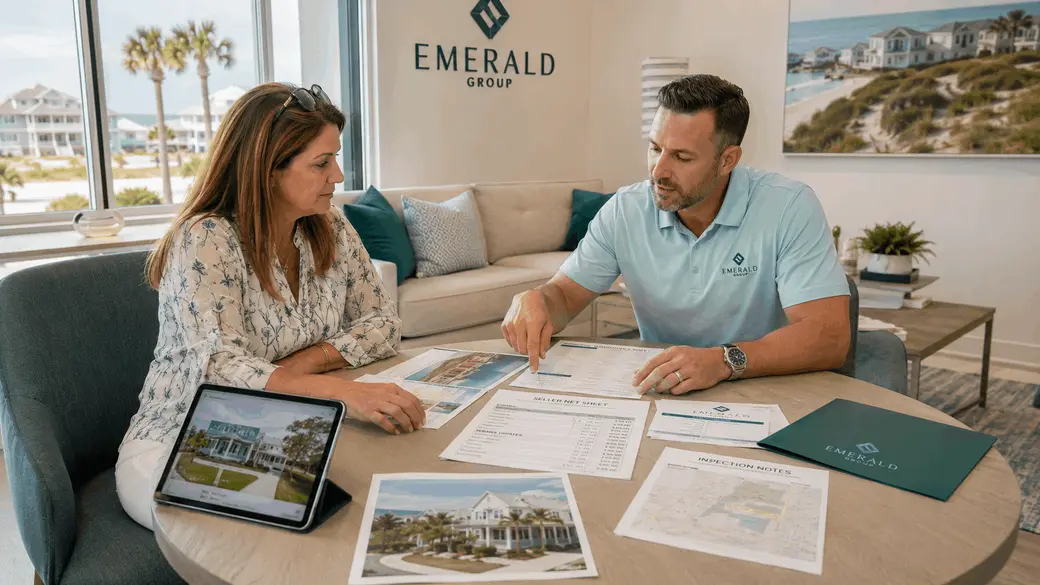
You can sell a house that needs repairs in Florida, but the best strategy depends on the home’s condition, your timeline, your budget, and how much certainty you want.
Some sellers should make a few key repairs before listing. Some should sell as-is on the open market. Some should compare cash offers from investors. And some should absolutely not spend $30,000 fixing things that buyers may want to change anyway. Real estate has enough goblins. No need to invite extra ones.
In Florida, selling a home as-is does not remove every responsibility. Florida Realtors explains that sellers have a duty to disclose known facts that materially affect the home’s value when those facts are not readily observable and are not known to the buyer, and that this disclosure requirement can apply even when a residential property is sold as-is.
The goal is simple: sell the home in a way that protects your net, reduces surprises, and fits your life.
Quick Answer: Should You Repair Or Sell As-Is?
If the repairs are minor, safety-related, or likely to help the home qualify for financing, it may be worth fixing them before listing.
If the home needs major repairs, you do not have the cash or time to manage work, or you want a simpler sale, selling as-is may be the better path.
The smartest first step is to compare three numbers:
| Option | What It Means | What To Compare |
|---|---|---|
| Repair before listing | Fix important items before going live | Cost, time, buyer appeal, likely resale value |
| List as-is | Put the home on the market without agreeing upfront to repairs | As-is value, buyer pool, inspection risk, net proceeds |
| Sell to a cash buyer | Sell quickly to an investor or buyer who accepts condition | Speed, certainty, discount, proof of funds, contract terms |
1. Start With A Clear Repair List
Before deciding what to fix, get clear on what actually needs work.
A seller should separate repairs into categories:
-
Safety issues
-
Structural concerns
-
Roof or water intrusion issues
-
Electrical or plumbing problems
-
HVAC problems
-
Insurance-related issues
-
Financing-related issues
-
Cosmetic updates
-
Personal preference upgrades
Not all repairs are equal. A damaged roof, active leak, exposed wiring, or major plumbing problem can affect financing and buyer confidence. Old carpet, outdated cabinets, or ugly paint may matter less if the price already reflects the condition.
The mistake many sellers make is treating all repairs like they are equally important. They are not. The leaky roof is yelling. The brass doorknobs are just being dramatic.
2. Decide Which Repairs Actually Help The Sale
Some repairs help a home sell faster or appeal to more buyers. Others may not return enough to justify the cost.
Repairs that may be worth considering include:
-
Active leaks
-
Safety concerns
-
Broken HVAC during hot months
-
Electrical hazards
-
Plumbing issues
-
Wood rot
-
Broken windows
-
Trip hazards
-
Items likely to block buyer financing
-
Obvious issues that make buyers assume the home is poorly maintained
Repairs that may not be worth doing include:
-
Full remodels based on your personal taste
-
Expensive upgrades that do not match the neighborhood
-
Cosmetic changes buyers may redo anyway
-
Projects that delay the listing too long
-
Repairs that cost more than they add in likely buyer confidence or sale price
Before spending money, ask this question: “Will this repair help more buyers say yes, or am I just trying to make the house feel less embarrassing?”
That second feeling is normal. It is just not always profitable.
3. Understand What “As-Is” Means In Florida
Selling as-is usually means the seller is not agreeing upfront to make repairs before closing.
It does not mean the buyer cannot inspect. It does not mean the buyer cannot ask questions. It does not mean the seller can ignore known material issues.
Florida Realtors describes the Florida Realtors/Florida Bar “AS IS” contract as a form that may be used when a seller does not want to be obligated to make repairs and the buyer wants the right to cancel if they are not satisfied with the home inspection.
That is a key point. “As-is” can reduce the seller’s repair obligation, but the buyer may still have an inspection period or contract rights depending on the agreement.
So if your home needs repairs, selling as-is can be useful. Just do not confuse “as-is” with “no process.” The process is still there, quietly holding a clipboard.
4. Be Honest About Known Issues
Florida sellers should take disclosure seriously.
Florida Realtors’ disclosure guidance explains that under the Johnson v. Davis standard, when a seller knows of facts materially affecting a home’s value that are not readily observable and not known to the buyer, the seller has a duty to disclose them. The same guidance says that this disclosure requirement applies to residential properties being sold as-is.
Examples of issues that may need careful disclosure include:
-
Known roof leaks
-
Prior water intrusion
-
Structural concerns
-
Major plumbing problems
-
Major electrical problems
-
Fire damage
-
Mold or moisture issues
-
Sinkhole concerns
-
Unpermitted work
-
Known defects in systems or components
-
Prior flooding or drainage issues
This is not legal advice. Sellers should talk with a qualified Florida real estate attorney when they have legal questions. But as a practical selling strategy, clean disclosure can reduce drama and help serious buyers make informed decisions.
5. Pay Attention To Florida Flood Disclosure
Flood history matters in Florida, especially in coastal and low-lying areas.
Florida Statute 689.302 says a seller must complete and provide a flood disclosure to a buyer of residential real property at or before the time the sales contract is executed.
That means sellers should gather flood-related information early instead of waiting until the contract is already moving.
Helpful items may include:
-
Flood zone information
-
Elevation certificate, if available
-
Flood insurance details, if applicable
-
Known prior flooding
-
Past flood claims, if applicable
-
Known drainage problems
-
Storm damage history
-
Repairs made after water intrusion
On the Emerald Coast, this can matter in areas like Destin, Fort Walton Beach, Navarre, Pensacola, Panama City Beach, Santa Rosa Beach, and 30A. Two homes a few streets apart can have very different flood, elevation, insurance, and buyer-confidence issues.
6. Compare Financing-Friendly Repairs Against Investor Discounts
A house that needs repairs may still qualify for traditional financing, but certain problems can shrink the buyer pool.
Issues that may concern financed buyers or lenders can include:
-
Roof condition
-
Safety hazards
-
Missing flooring
-
Exposed wiring
-
Broken windows
-
Major wood rot
-
Non-functioning major systems
-
Insurance problems
-
Condo or HOA issues
-
Serious water or structural concerns
If a home cannot easily qualify for common financing, the buyer pool may shift toward cash buyers, renovation loans, or investors. That is not automatically bad. It just changes the pricing conversation.
Before accepting a discounted cash offer, sellers should ask: “Would fixing one or two key items open this home up to more buyers?”
Sometimes a $1,500 repair can protect thousands in value. Sometimes a $25,000 repair barely moves the needle. The annoying answer is also the correct one: it depends.
7. Get An As-Is Market Value Before Accepting A Cash Offer
Cash buyers can be useful, especially if the home needs major work or the seller wants a fast sale.
But a cash offer should be compared against the home’s likely as-is market value.
A fair comparison should include:
-
Likely as-is list price
-
Expected repair impact
-
Cash offer amount
-
Estimated seller closing costs
-
Buyer concessions, if any
-
Holding costs
-
Showings and timeline
-
Inspection risk
-
Convenience value
-
Your estimated net
A cash investor usually needs room for repairs, holding costs, resale risk, and profit. That means the offer may be lower than what the home could bring with open-market exposure.
That may still be worth it if speed, privacy, certainty, or no repairs matter more than the highest possible price. Just make the choice with clear numbers.
8. Watch Out For Repair-Related Scams And Wire Fraud
When a home needs repairs, sellers can attract contractors, investors, wholesalers, and “quick sale” buyers. Some are legitimate. Some are not.
Florida’s Attorney General has warned consumers to watch for real estate scams, including escrow wire fraud where scammers pose as title or escrow representatives and send fraudulent transfer instructions. The FBI also lists business email compromise as a common fraud and gives an example involving a homebuyer receiving fake wiring instructions that appear to come from a title company.
Before signing or wiring anything:
-
Verify the buyer
-
Ask for proof of funds
-
Use a reputable title company
-
Verify wire instructions by phone using a trusted number
-
Do not pay random upfront fees to a buyer
-
Be cautious with high-pressure timelines
-
Read the contract before signing
-
Ask whether the buyer plans to close or assign the contract
If someone tells you, “You have to sign right now,” that is a good moment to suddenly become very unavailable.
9. Know When Listing As-Is Makes Sense
Listing as-is may be a good fit when:
-
The home is livable
-
Repairs are manageable
-
The location is strong
-
You want market exposure
-
You can handle showings
-
You are not in an extreme time crunch
-
You want to compare multiple buyer options
-
You want to avoid making repairs but still test the market
This can work for older homes in Fort Walton Beach, homes needing updates in Niceville, repair-needed properties in Crestview, inherited homes in Pensacola, or coastal properties in Destin, Santa Rosa Beach, and Panama City Beach.
The key is pricing the home honestly. Buyers can handle a home that needs work. What they do not love is a home that needs work but is priced like it just won a beauty pageant.
10. Know When A Cash Buyer Makes Sense
A cash buyer may be a better fit when:
-
The home needs major repairs
-
You need to sell fast
-
You inherited the property
-
You live out of area
-
You do not want showings
-
You cannot manage contractors
-
The home may not qualify for common financing
-
Privacy and convenience matter more than top-dollar pricing
A cash buyer is not automatically bad. It is just one option. The important thing is to verify the buyer, understand the contract, and compare the offer against your realistic alternatives.
11. Know When Repairs Before Listing Make Sense
Making repairs before listing may be the better move when:
-
The repair is affordable
-
The repair removes a major buyer objection
-
The repair helps with financing or insurance
-
The repair improves buyer confidence
-
The repair can be done quickly
-
The repair is likely to improve your net
Examples may include fixing active leaks, repairing obvious safety hazards, servicing HVAC, cleaning up wood rot, replacing broken windows, or addressing small issues that make the home feel neglected.
You usually do not need to make the house perfect. You just want to keep buyers from walking in and hearing alarm bells.
12. Use A Net Sheet, Not Just A Sale Price
A higher sale price is nice. A higher net is better.
Before choosing a path, compare estimated net proceeds for each option:
| Selling Strategy | Potential Sale Price | Costs | Timeline | Convenience | Net Confidence |
|---|---|---|---|---|---|
| Repair and list | Potentially higher | Repair costs, time, prep | Longer | More work | Depends on repair return |
| List as-is | Market-tested | Possible concessions, showings | Moderate | Moderate | Good if priced right |
| Cash buyer | Usually lower | Fewer prep costs | Faster | Easier | Good if offer is verified |
The right answer is not always the highest sale price. It is the best balance of money, time, certainty, and stress.
Common Mistakes To Avoid
Avoid these common seller mistakes:
-
Spending money on repairs without a pricing strategy
-
Assuming every repair adds value
-
Hiding known problems
-
Thinking as-is means no disclosures
-
Accepting a cash offer without proof of funds
-
Pricing based on fully updated homes
-
Waiting too long to address insurance issues
-
Ignoring flood disclosure
-
Choosing contractors without clear estimates
-
Letting stress make the decision
A home that needs repairs can still sell. It just needs a smarter plan.
FAQs About Selling A House That Needs Repairs In Florida
Can I sell a house that needs repairs in Florida?
Yes. A Florida home can be sold even if it needs repairs. Sellers can make repairs before listing, list the home as-is, or compare cash offers depending on the condition, timeline, and goals.
Do I have to fix everything before selling?
No. Sellers do not usually have to fix everything before selling. The better question is whether specific repairs would improve buyer confidence, financing options, or net proceeds enough to justify the cost.
What does selling as-is mean in Florida?
Selling as-is usually means the seller is not agreeing upfront to make repairs. However, buyers may still have inspection rights or cancellation rights depending on the contract, and sellers still need to disclose known material issues.
Do I have to disclose repair issues?
Florida Realtors explains that sellers have a duty to disclose known facts that materially affect a home’s value when those facts are not readily observable and not known to the buyer. Their guidance also says this can apply to as-is residential sales.
Should I accept a cash offer for a house that needs work?
A cash offer may be a good fit if you need speed, certainty, or simplicity. Before accepting, compare it with your likely as-is market value, estimated net from listing, repair costs, and the buyer’s proof of funds.
Do I need to disclose flooding in Florida?
Florida Statute 689.302 says a seller must complete and provide a flood disclosure to a purchaser of residential real property at or before the time the sales contract is executed.
Final Thoughts
Selling a house that needs repairs in Florida does not have to mean panic repairs, lowball offers, or guessing your way through the process.
You have options. You can fix key items, list as-is, compare investor offers, or choose a faster cash sale if that fits your situation.
The smart move is to compare the numbers before you decide.
If you are selling a house that needs repairs on the Emerald Coast, Emerald Group, Brokered by LPT Realty can help you review the home, compare repair-vs-as-is options, estimate your likely net, and choose a strategy that fits your timeline.
When you are ready, you can browse local listings to compare nearby homes or contact Emerald Group for local selling guidance before you make a decision.
Categories
- All Blogs (234)
- 30A Communities & Condos (12)
- Communities and Condos on the Emerald Coast (48)
- Destin Communities & Condos (8)
- Fort Walton Beach Communities & Condos (17)
- Home Buying Tips (23)
- Home Selling TIps (12)
- Investment & Rental Strategy (18)
- Local Real Estate Answers (68)
- Military Relocation & VA Buyers (19)
- Navarre Communities & Condos (13)
- Niceville Communities & Condos (5)
- Panama City Beach Communities & Condos (1)
- Pensacola Communities & Condos (1)
- Waterfront & Coastal Homes (7)
Recent Posts









"My job is to find and attract mastery-based agents to the office, protect the culture, and make sure everyone is happy! "