
The Real Cost of Living on 30A: What Most Buyers Don’t Learn Until After They Move
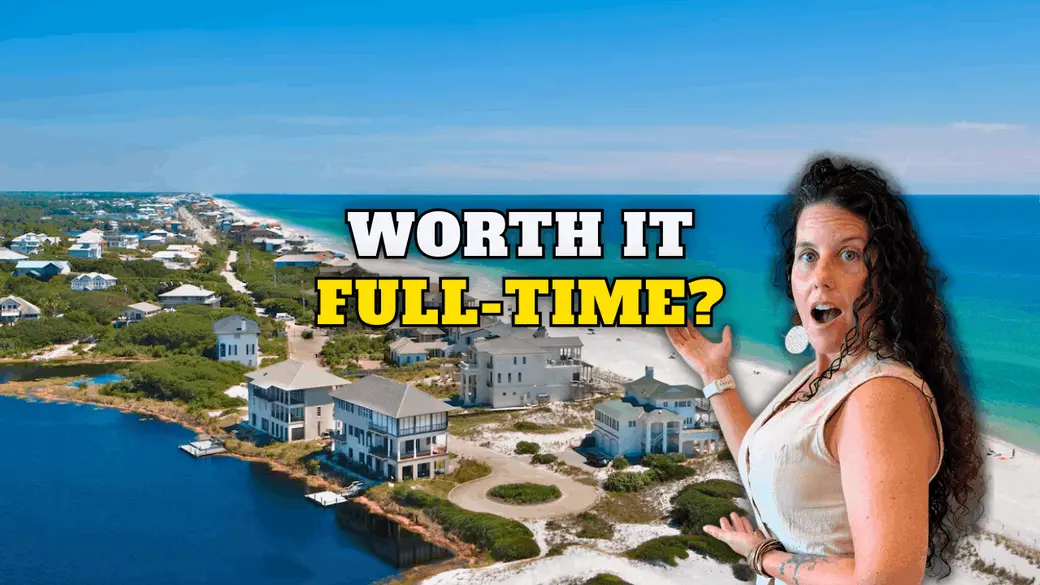
Living on 30A is a dream for a lot of people—but if you’re considering a move here, it’s important to understand the real cost of living on 30A, not just the postcard version.
30A is intentional. It’s beautiful. It’s peaceful. And it absolutely comes with a different rhythm of life—and different financial considerations—than most people expect.
These aren’t “gotcha” surprises. They’re simply things most buyers don’t learn until after they’ve already moved. This guide is about foresight, clarity, and smart planning, so you can step into the 30A lifestyle with confidence instead of confusion.
And yes—the most overlooked cost is saved for last.
You’re Not Just Buying a Home on 30A — You’re Buying a Lifestyle
When you buy property on 30A, you’re not just purchasing square footage.
You’re buying:
-
A slower pace of life
-
A highly intentional community
-
Architectural consistency
-
Proximity to nature, not just amenities
That lifestyle is why people fall in love with 30A—but it also means the cost structure looks different than inland Florida or even nearby beach towns.
Insurance Costs Vary More Than People Expect
Insurance is the first hidden cost that surprises buyers.
On 30A, insurance is highly location-specific, even within the same corridor.
For example:
-
Blue Mountain Beach, the highest elevation on 30A, rarely requires flood insurance
-
Other areas may require flood insurance depending on elevation and proximity to water
-
Being “near the water” doesn’t automatically mean flood insurance—but it can dramatically affect your costs
Adding flood insurance can significantly increase annual ownership expenses, whether paid annually or escrowed monthly.
Roof Age and Construction Matter More Than the Listing Price
Another major factor in insurance premiums is roof age.
In Florida’s coastal environment:
-
Roofs older than ~15 years often trigger premium increases
-
Some insurers require replacement regardless of stated lifespan
-
Salt air and sun exposure shorten real-world roof life
Newer construction and fortified builds (like those found in places such as Alys Beach) tend to have far more favorable insurance profiles than older stick-built homes.
Proximity to the Gulf Affects More Than Flood Risk
Even if flood insurance isn’t required, homes closer to the Gulf often carry higher homeowners insurance due to:
-
Increased wind exposure
-
Accelerated material degradation
-
Fewer structures blocking storm impact
A property just a few streets back may have meaningfully lower insurance costs than beachfront homes—something many buyers don’t realize upfront.
HOA Standards Can Quietly Increase Long-Term Costs
30A’s charm comes from its curated communities—but that comes with expectations.
HOAs in places like:
-
Rosemary Beach
-
Alys Beach
-
Seaside
often require:
-
Specific materials for repairs
-
Strict architectural guidelines
-
Higher standards for renovations and maintenance
That means quick, inexpensive fixes aren’t always an option. Repairs and upgrades must meet community standards, which can increase long-term costs.
Golf Carts: The Dream vs. The Reality
Almost every buyer imagines cruising 30A by golf cart.
The reality:
-
Not all neighborhoods allow golf carts
-
Not all roads are golf-cart friendly
-
Safety concerns have increased enforcement in some areas
Golf carts can be part of the lifestyle—but only in the right locations, and only when used responsibly.
The Hidden Cost That Hits Your Calendar, Not Just Your Wallet
Traffic.
Seasonal traffic on 30A impacts:
-
Dinner reservations
-
Commute times
-
Daily routines
-
Spontaneous plans
Living here full-time doesn’t eliminate tourism. In peak season, simple errands can take significantly longer—especially if you’re not within walking or biking distance to what you need.
Short-Term Rental Rules Are Neighborhood-Specific
Not every 30A property is short-term rental friendly.
Some neighborhoods:
-
Fully allow short-term rentals
-
Restrict them entirely
-
Allow them only in certain phases
Buying without confirming rental rules can drastically affect:
-
Investment returns
-
Lifestyle enjoyment
-
Resale flexibility
Equally important: living next to rotating short-term rentals may not suit everyone.
Older Homes Often Mean Higher Maintenance
Older homes on 30A can be charming—but they often come with:
-
Higher ongoing maintenance
-
Faster wear on fixtures and systems
-
Increased exposure to salt air damage
Newer builds often incorporate materials designed to reduce long-term upkeep, which can make a big difference in ownership costs.
The Most Expensive Cost of All: Choosing the Wrong Neighborhood
The biggest hidden cost isn’t insurance or HOA fees.
It’s ending up in the wrong neighborhood.
Every section of 30A has a distinct:
-
Culture
-
Pace
-
Density
-
Rental environment
Buying in the wrong area can lead to long-term dissatisfaction—and it’s not always easy or quick to pivot once you’ve purchased.
Final Thoughts: Clarity Beats Surprises Every Time
Living on 30A can be incredible—but only when expectations align with reality.
The key isn’t avoiding these costs.
It’s understanding them before you buy, so you can plan wisely and choose a location that truly fits your lifestyle.
Visit our Contact Us page to start a conversation.
Related Reading
Categories
- All Blogs (211)
- 30A Communities & Condos (12)
- Communities and Condos on the Emerald Coast (40)
- Destin Communities & Condos (8)
- Fort Walton Beach Communities & Condos (13)
- Home Buying Tips (20)
- Home Selling TIps (11)
- Investment & Rental Strategy (16)
- Local Real Estate Answers (66)
- Military Relocation & VA Buyers (18)
- Navarre Communities & Condos (12)
- Niceville Communities & Condos (4)
- Panama City Beach Communities & Condos (1)
- Pensacola Communities & Condos (1)
- Waterfront & Coastal Homes (7)
Recent Posts

"My job is to find and attract mastery-based agents to the office, protect the culture, and make sure everyone is happy! "