
What to know before buying a condo on the Emerald Coast
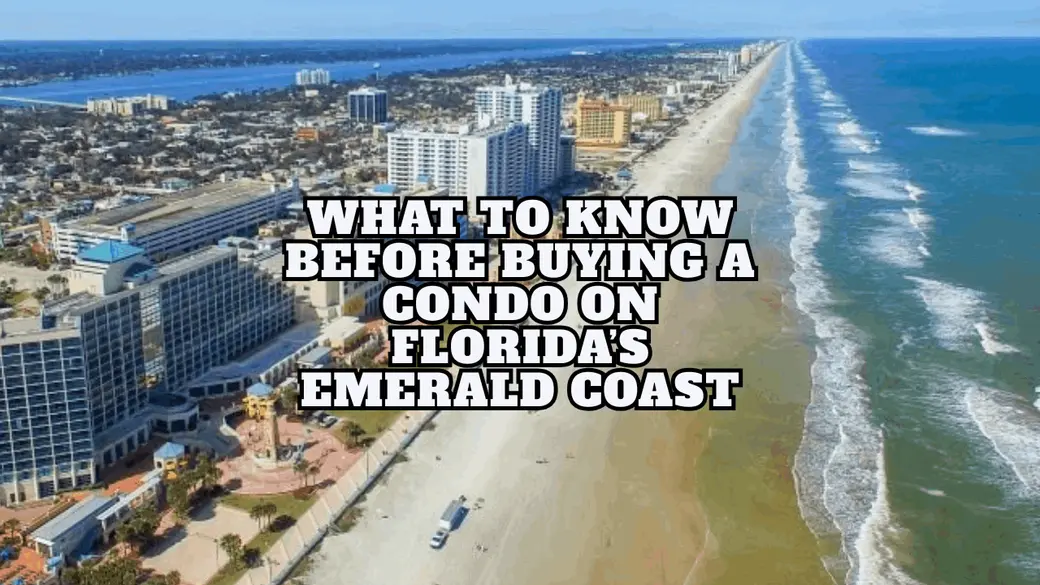
Buying a condo on the Emerald Coast can be an excellent move—but it’s also one of the easiest ways for buyers to get surprised after closing if they don’t know what to look for ahead of time.
Condos here range from beachfront vacation rentals to quiet residential communities, and while they can offer convenience, views, and lower maintenance, they come with a unique set of financial, legal, and lifestyle considerations that don’t show up in a Zillow search.
This guide walks you through what to know before buying a condo on the Emerald Coast so you can make a confident, informed decision—whether you’re buying for full-time living, a second home, or investment purposes.
Condos on the Emerald Coast Are Not All the Same
One of the biggest misconceptions buyers have is assuming all condos operate similarly. They don’t.
Along the Emerald Coast, condos fall into several broad categories:
-
Short-term rental–focused vacation condos
-
Mixed-use buildings with both owners and renters
-
Residential-only communities
-
Older beachfront complexes with limited amenities
-
Newer developments with higher HOA structures
The rules, costs, and long-term experience can vary dramatically depending on which type you’re considering.
HOA Fees: The Line Item That Makes or Breaks the Deal
HOA fees are often the most misunderstood part of condo ownership.
On the Emerald Coast, HOA dues commonly cover:
-
Exterior maintenance and roofing
-
Insurance on the structure (not your interior contents)
-
Landscaping and common areas
-
Pools, elevators, and amenities
-
Sometimes water, sewer, trash, and cable
What catches buyers off guard is how much HOA fees can impact cash flow. Even if the purchase price seems reasonable, high monthly dues can erase rental profits or stretch a personal budget uncomfortably.
Always review:
-
Current HOA dues
-
Historical increases
-
What utilities are included
-
Whether special assessments are pending
Insurance: What’s Covered—and What Isn’t
Condo insurance works differently than single-family homes.
Typically:
-
The HOA insures the exterior structure
-
You insure the interior (walls-in coverage)
-
Flood insurance may still be required depending on location
-
Wind coverage can vary widely by building age and construction
Older buildings near the water often come with higher premiums, and insurance costs can change quickly after storms or market shifts. Always confirm:
-
Building insurance policy details
-
Your individual policy requirements
-
Deductibles for wind and named storms
Short-Term Rental Rules Matter More Than the View
If rental income is part of your plan, HOA rules are critical.
Some condos:
-
Allow nightly or weekly rentals
-
Restrict rentals to monthly minimums
-
Prohibit short-term rentals entirely
Even within the same city, rules can differ building by building. Buying the wrong condo can eliminate rental flexibility altogether.
Also consider:
-
On-site property management requirements
-
Booking platform restrictions
-
Local ordinances and registration rules
Never assume a condo is rental-friendly—verify it in writing.
Building Age and Maintenance History
Older beachfront condos can look charming but come with trade-offs.
Things to evaluate carefully:
-
Roof age and replacement schedule
-
Concrete restoration history
-
Elevator maintenance
-
Plumbing and electrical upgrades
-
Deferred maintenance patterns
Special assessments are often tied to older buildings that delayed major repairs. Reviewing meeting minutes and reserve studies can reveal red flags long before they become expensive surprises.
Parking, Storage, and Practical Living Details
Lifestyle details matter more than buyers expect.
Ask questions like:
-
Is parking assigned or first-come?
-
Are golf carts allowed?
-
Is there owner storage for beach gear?
-
Are pets allowed—and with what restrictions?
For full-time or part-time residents, these details often matter more than square footage.
Financing Condos Is Different Than Financing Homes
Not all condos qualify for the same loan programs.
Some buildings may:
-
Be ineligible for FHA or VA financing
-
Require higher down payments
-
Have lending restrictions based on owner occupancy ratios
If financing matters, confirm lender approval early so you don’t lose time or leverage later.
Investment Reality: Cash Flow vs. Appreciation
Condos on the Emerald Coast can perform well—but not all do.
Strong performers usually have:
-
Proven historical rental data
-
Reasonable HOA fees
-
Walkable beach access
-
Desirable amenities
Others rely more on long-term appreciation and personal use rather than cash flow. Knowing your goal upfront helps narrow the right options quickly.
Final Thoughts: Condos Can Be a Smart Buy—With the Right Strategy
Buying a condo on the Emerald Coast isn’t about avoiding risk—it’s about understanding it.
The best condo purchases happen when buyers:
-
Fully understand HOA structures
-
Budget realistically for insurance and fees
-
Match rental rules to their goals
-
Choose buildings with solid management and reserves
When those pieces align, condos can offer incredible lifestyle value and long-term flexibility.
Visit our Contact Us page to start a conversation.
Related Reading
Categories
- All Blogs (219)
- 30A Communities & Condos (12)
- Communities and Condos on the Emerald Coast (43)
- Destin Communities & Condos (8)
- Fort Walton Beach Communities & Condos (15)
- Home Buying Tips (20)
- Home Selling TIps (11)
- Investment & Rental Strategy (16)
- Local Real Estate Answers (68)
- Military Relocation & VA Buyers (18)
- Navarre Communities & Condos (13)
- Niceville Communities & Condos (4)
- Panama City Beach Communities & Condos (1)
- Pensacola Communities & Condos (1)
- Waterfront & Coastal Homes (7)
Recent Posts








"My job is to find and attract mastery-based agents to the office, protect the culture, and make sure everyone is happy! "